Description
What is Bolivian Cocaine
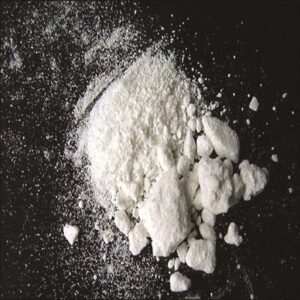
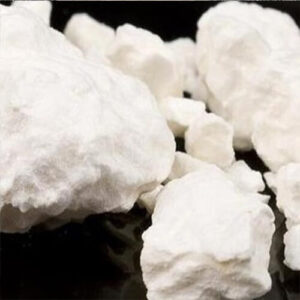
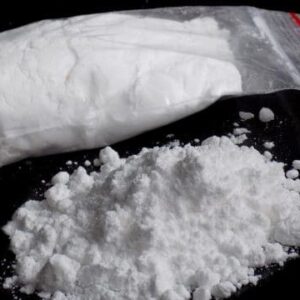
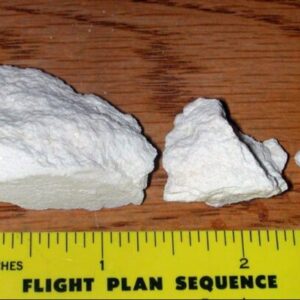
Cocaine is a stimulant drug derived from the leaves of the South American plant called coca plant. It comes in two main forms. The first being a white crystalline powder (cocaine hydrochloride), which is typically snorted or injected, and the second is crack cocaine, a rock-like form that is smoked. We have both and you can specify which you are interested in.
Key differences between Cocaine and amphetamines
- Origin: Cocaine is a plant derevitive while methamphetamine is fully synthetic
- Duration of effects: Cocaine’s high lasts roughly 15 to 30 minutes while meth’s effects can last 8 to 12 hours or more.
- Cost: Cocaine is generally more expensive relative to meth.
- Dosing frequency: Due to the short high, cocaine users dose frequently as compared to meth users.
Where to buy Bolivian Cocaine.
Looking to buy Bolivian cocaine? We bring the best quality on the market straight to your doorstep. Whether you’re in New York, Los Angeles, Chicago, Miami, or anywhere in between, you get 100% discreet delivery to your doorstep or any delivery address of your choice. Our nationwide shipping means no import headaches, no customs surprises, and no waiting weeks for your order to arrive. Whether you’re a professional buying Bolivian cocaine for research purposes or an individual, we make it easy to buy Bolivian cocaine online in the US.
Product Specifications & Transparency
Below is some more information that will help you understand what it is chemically.
Physical Properties of Bolivian Cocaine
- Appearance: Colorless or white crystalline solid
- Melting Point: 98 °C
- Boiling Point: 187–188 °C (at 0.1 Torr reduced pressure)
- Solubility: Sparingly soluble in water; the hydrochloride salt is readily soluble in water
- Basicity: Strong tertiary amine, pKa approximately 8.6–8.7 (at 15 °C)
- Specific Rotation: [α]D18 ≈ −35° (50% ethanol)
Chemical Identifiers

Nolan (verified owner) –
The product is firmly packed.
Alan (verified owner) –
Very well worth the money.
David (verified owner) –
Very fast delivery.
Paul (verified owner) –
Good quality.
Ryder (verified owner) –
The product is firmly packed.
Ryder (verified owner) –
Very fast delivery.